📌 Disclaimer
Prices, schedules, tour details, flight routes, visa requirements, and all other information on this page are based on data at the time of writing. Fares, availability, and policies may change. Please verify current details on the official website before booking.
Why Visit Tokyo ?#
Tokyois a vibrant metropolis that seamlessly blends the ultramodern with the traditional. From towering skyscrapers and neon lights to serene temples and historic gardens, the city offers an array of experiences that captivate visitors from around the globe. Whether you’re wandering through the bustling streets of Shibuya or finding tranquility in the Meiji Shrine, Tokyo’s unique charm lies in its ability to cater to every type of traveler.
The culture inTokyois a fascinating mix of the old and the new. You can immerse yourself in the rich heritage of Japan by visiting ancient shrines and museums, or you can explore the cutting-edge technology and fashion that define the city’s contemporary scene. Additionally, Tokyo is a city of neighborhoods, each with its own distinct character, making it easy to find your own slice of the city that resonates with you. With its world-class cuisine, unparalleled shopping, and endless entertainment options, Tokyo is a destination that guarantees unforgettable memories.
Best Time to Visit Tokyo#
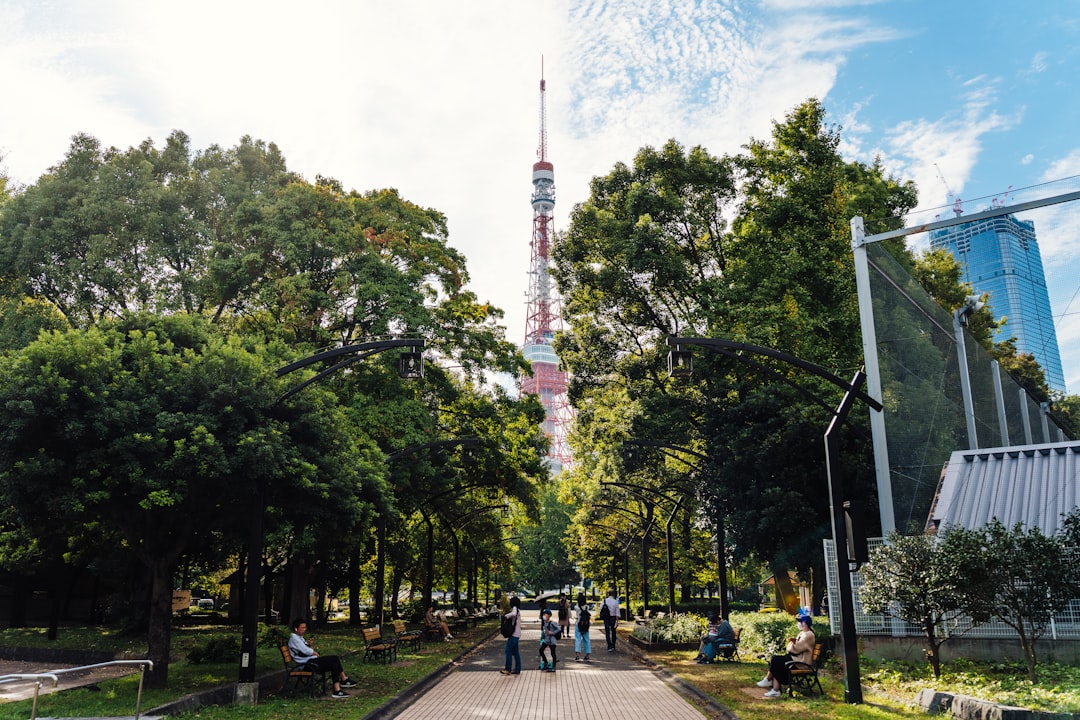
Tokyo experiences four distinct seasons, each offering a unique perspective on the city.
Spring (March to May): This is arguably the most popular time to visit, as cherry blossoms bloom across parks and streets. Temperatures range from the mid-50s to mid-70s °F, making it comfortable for outdoor activities. However, this season can be crowded, especially during hanami (flower-viewing) parties.
Summer (June to August): Summer in Tokyo is hot and humid, with temperatures often soaring above 85°F. June brings the rainy season, but by July and August, you can enjoy vibrant summer festivals, fireworks, and outdoor events. Expect larger crowds, especially during school holidays.
Autumn (September to November): Autumn is another beautiful time to visit, with mild temperatures and stunning fall foliage. September can still be warm and humid, but by October, temperatures cool to the mid-60s to mid-70s °F. This is a great time for sightseeing without the large crowds of spring.
Winter (December to February): Winters in Tokyo are relatively mild compared to other regions inJapan, with temperatures ranging from the mid-30s to mid-50s °F. While it’s less crowded, you can enjoy festive illuminations and seasonal foods. Be sure to dress warmly if you plan to explore outside.
Where to Stay in Tokyo#
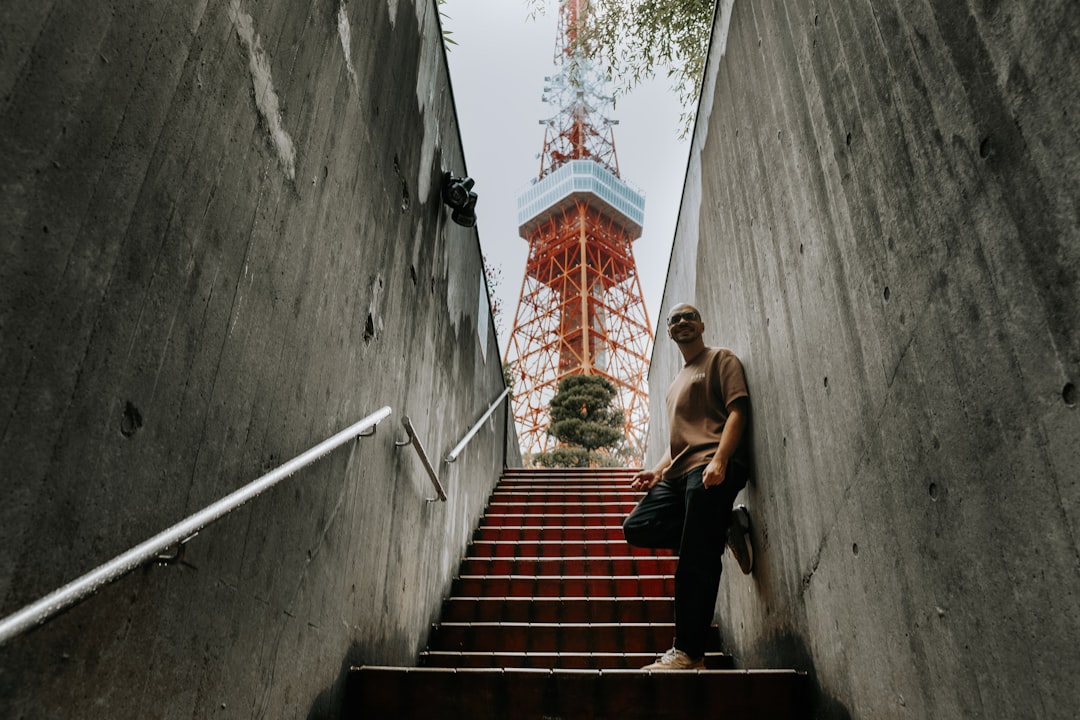
Choosing the right neighborhood is crucial for experiencing Tokyo to the fullest. Here are some recommendations across different budget tiers:
Budget: Hostels and guesthouses are plentiful in areas like Asakusa and Ueno. These neighborhoods offer affordable accommodation options while being close to cultural sites. Expect to find dormitory-style rooms and shared facilities, making it easy to meet fellow travelers.
Mid-Range: Shinjuku and Shibuya are vibrant districts that cater to mid-range travelers. Here, you’ll find a variety of business hotels and boutique accommodations that provide comfort and convenience. Shinjuku is known for its nightlife, while Shibuya offers shopping and entertainment.
Luxury: For a more upscale experience, consider the Marunouchi or Ginza districts. These areas are home to high-end hotels and elegant service, with easy access to luxury shopping and fine dining. Marunouchi also offers stunning views of the Tokyo skyline and is near the Imperial Palace.
Local Tip: Consider staying in a ryokan (traditional inn) for an authentic Japanese experience. Many are located in quieter neighborhoods and offer a glimpse into Japan’s hospitality culture.
Top Things to Do in Tokyo#
- Tokyo Tower: This iconic landmark offers panoramic views of the city from its observation decks. The bright orange and white structure is especially stunning at night when illuminated.
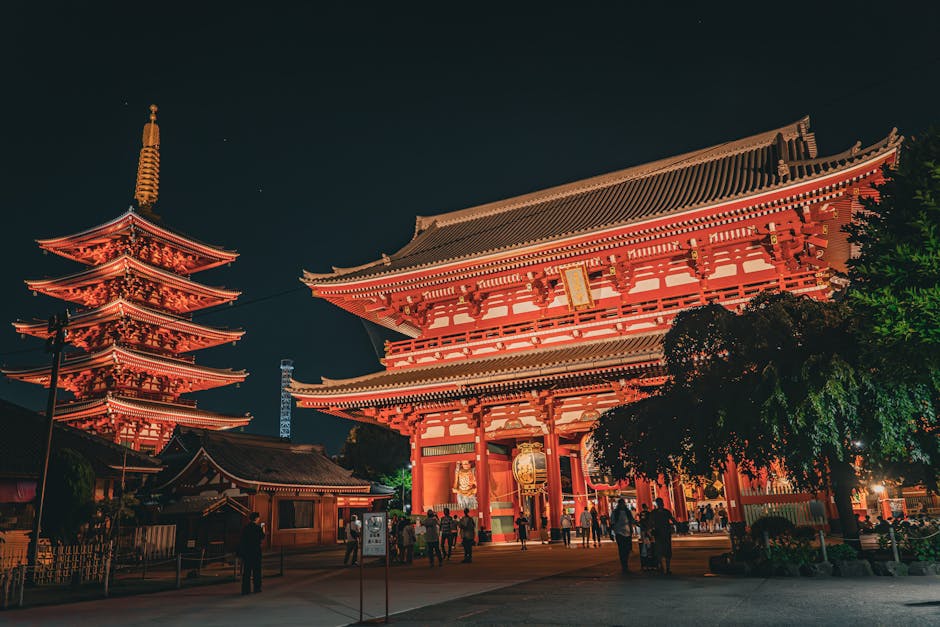
- Senso-ji Temple: Located in Asakusa, this ancient temple is Tokyo’s oldest and most significant. The approach to the temple, called Nakamise Street, is lined with shops selling snacks and souvenirs.
- Shibuya Crossing: Known as one of the busiest pedestrian crossings in the world, experiencing the organized chaos of Shibuya Crossing is a must. Grab a coffee at a nearby café for the best view.
- Meiji Shrine: Nestled in a forested area, this Shinto shrine is dedicated to Emperor Meiji and Empress Shoken. The serene atmosphere offers a peaceful escape from the city’s hustle.
- Tsukiji Outer Market: While the inner wholesale market has moved, the outer market remains vibrant. Sample fresh seafood, sushi, and local delicacies as you explore the bustling stalls.
- Akihabara: This district is a paradise for tech lovers and anime enthusiasts. Explore the numerous shops selling electronics, manga, and collectibles, and immerse yourself in otaku culture.
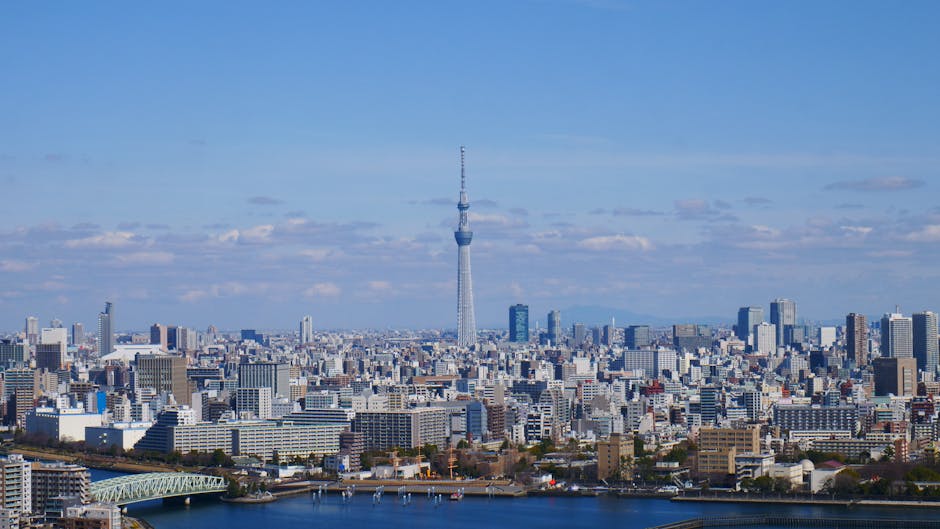
- Tokyo Skytree: Standing at 2,080 feet, this is the tallest structure in Japan. The observation decks provide breathtaking views, and the surrounding area is filled with shopping and dining options.
- Harajuku: Famous for its youth culture and fashion, Harajuku is a colorful neighborhood where you can see unique street styles. Don’t miss Takeshita Street, lined with quirky shops and cafes.
- Yoyogi Park: Adjacent to Meiji Shrine, this expansive park is perfect for picnics, jogging, or simply relaxing. On weekends, you might encounter local performers and artists.
- Odaiba: This futuristic island in Tokyo Bay features shopping, entertainment, and attractions like teamLab Borderless, an immersive digital art museum that is a visual feast.
Food and Dining Guide#
Tokyo is a culinary paradise, offering everything from street food to Michelin-starred restaurants. Here are some local cuisine highlights:
- Sushi: A trip to Tokyo isn’t complete without trying fresh sushi. Visit a conveyor belt sushi restaurant for a fun and affordable experience.
- Ramen: This beloved noodle dish comes in various styles, with each shop boasting its own secret broth recipe. Sample different flavors like tonkotsu (pork bone) or shoyu (soy sauce).
- Tempura: Lightly battered and fried vegetables and seafood make for a delicious treat. Tempura is often served with a dipping sauce and rice.
- Okonomiyaki: Sometimes referred to as a savory pancake, okonomiyaki is filled with various ingredients. Many restaurants allow you to cook it at your table, making it a fun dining experience.
- Street Food: Don’t miss trying yakitori (grilled chicken skewers) and takoyaki (octopus balls) from street vendors in areas like Shinjuku and Harajuku.
Restaurants in Tokyo range from casual izakayas (Japanese pubs) to fine dining establishments. For an authentic experience, consider visiting local eateries and markets to taste the flavors of Japan.