📌 Disclaimer
Prices, schedules, tour details, flight routes, visa requirements, and all other information on this page are based on data at the time of writing. Fares, availability, and policies may change. Please verify current details on the official website before booking.
Why Visit Siem Reap ?#
Siem Reapis a vibrant town that serves as the gateway to the awe-inspiring Angkor Wat, one of the most significant archaeological sites in Southeast Asia. Beyond the ancient temples, Siem Reap offers a rich tapestry of culture, history, and natural beauty that captivates travelers from all walks of life. The town boasts a unique blend of traditional Khmer culture and modern influences, making it a fascinating destination for American travelers seeking an adventure filled with both exploration and relaxation.
What truly setsSiem Reapapart is its welcoming atmosphere and the warmth of its people. The town is not just about the temples; it’s a place where you can immerse yourself in local traditions, sample delicious cuisine, and discover hidden gems tucked away from the tourist crowds. Whether you’re wandering through bustling markets, enjoying a traditional dance performance, or simply taking in the stunning sunset over the rice paddies, Siem Reap promises an unforgettable experience.
Best Time to Visit Siem Reap#
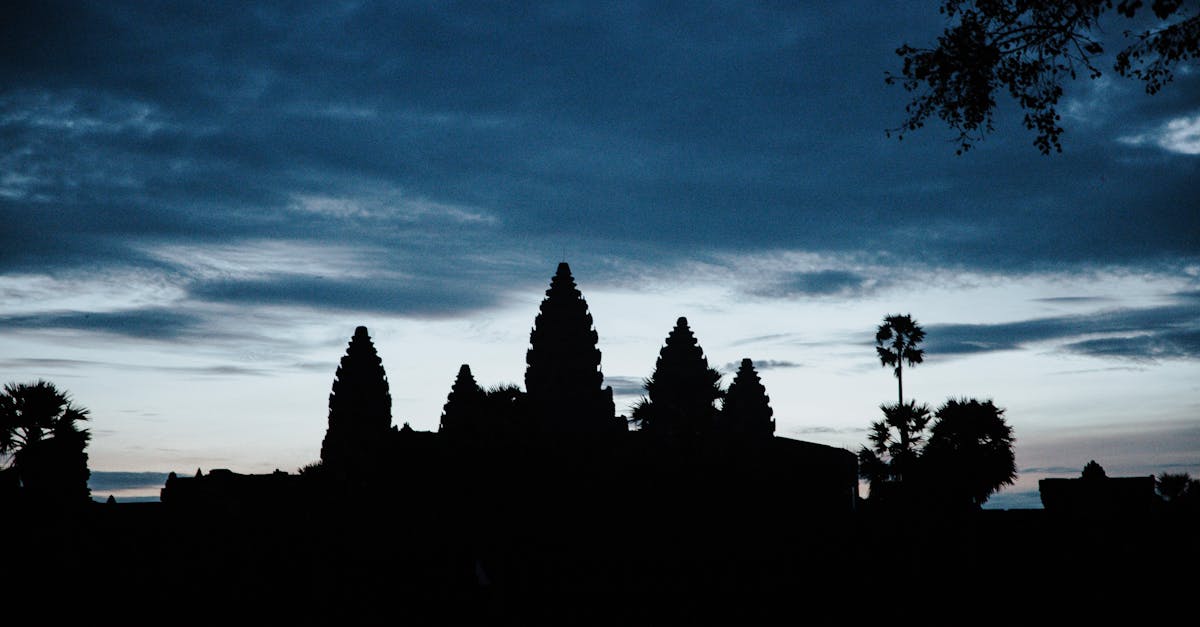
The best time to visit Siem Reap is during the dry season, which runs from November to April. During these months, you can expect pleasant weather with lower humidity and minimal rainfall, ideal for exploring the temples and surrounding areas. December and January are particularly popular months, attracting many tourists due to the cooler temperatures and vibrant festivals. However, this also means larger crowds, so if you prefer a quieter experience, consider visiting in November or late February.
March and April can be quite hot, with temperatures often soaring above 90°F, but the crowds thin out as many travelers head home after the high season. The wet season, from May to October, features frequent rain showers and higher humidity, but this period also brings lush landscapes and fewer tourists. If you decide to visit during the rainy months, just be prepared for occasional downpours and muddy paths. Prices for accommodations and activities are generally lower during this time, making it a great option for budget-conscious travelers.
Where to Stay in Siem Reap#
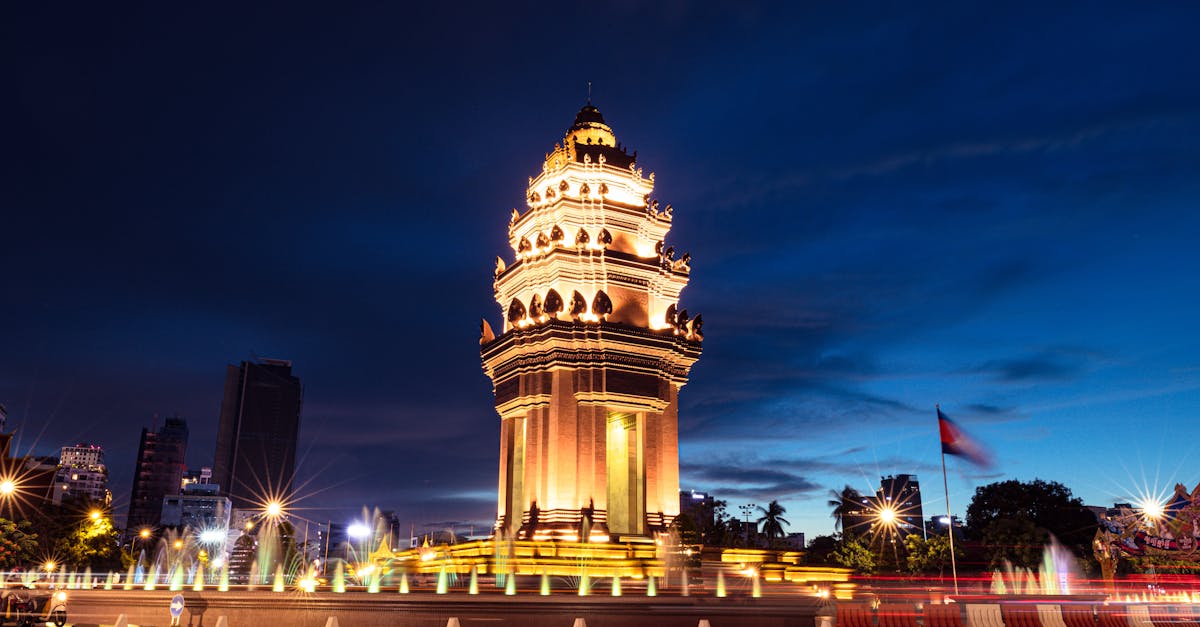
Finding the right neighborhood in Siem Reap can enhance your travel experience. Here are some recommendations based on different budget tiers:
Budget: Old Market AreaThe Old Market Area is perfect for budget travelers who want to be in the heart of the action. Here, you’ll find a variety of hostels and guesthouses that offer affordable rates. The lively atmosphere, with its bustling markets and street food stalls, makes it an exciting place to stay. Plus, you’re just a short walk from the famous Pub Street.
Mid-Range: Wat Bo DistrictThe Wat Bo District offers a mix of tranquility and accessibility. This area is known for its charming boutique hotels and guesthouses that provide comfortable accommodations without breaking the bank. You can enjoy a peaceful environment while still being close to local attractions, restaurants, and the riverside.
Luxury: Sivatha BoulevardFor those looking to indulge, Sivatha Boulevard is home to some of the city’s finest luxury hotels and resorts. This neighborhood features upscale amenities, stunning pools, and exquisite dining options. Staying here puts you within easy reach of both the temples and Siem Reap’s vibrant nightlife.
Local Experience: Sala KamreukIf you want a more authentic experience, consider staying in the Sala Kamreuk area. This neighborhood offers a glimpse into local life, with traditional wooden houses and friendly communities. Accommodations here range from cozy guesthouses to mid-range hotels, giving you a taste of Cambodia n culture.
Top Things to Do in Siem Reap#
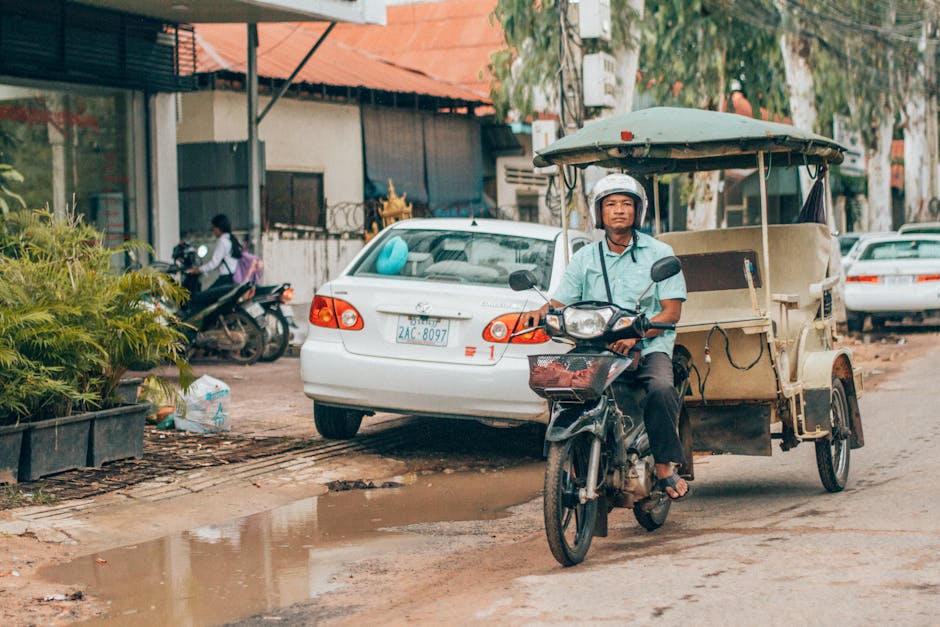
- Angkor WatNo trip to Siem Reap is complete without visiting Angkor Wat. This UNESCO World Heritage Site is the largest religious monument in the world and a stunning testament to Khmer architecture. Arrive early to witness the sunrise over the temple for an unforgettable experience.
- Ta ProhmKnown as the “Tomb Raider Temple,” Ta Prohm is famous for its unique blend of nature and architecture. The massive trees intertwined with the ruins create an otherworldly atmosphere. It’s a must-see for any history and nature lover.
- Bayon TempleLocated in the heart of Angkor Thom, Bayon Temple is renowned for its striking stone faces that seem to follow you as you wander through its halls. The intricate bas-reliefs depict various scenes from Khmer history and mythology.
- Phare, The Cambodian CircusFor a taste of contemporary Cambodian culture, catch a performance at Phare, The Cambodian Circus. This unique show combines acrobatics, theater, and live music, showcasing the talents of local artists while telling stories of Cambodian life.
- Angkor National MuseumDive deeper into the history and culture of the Khmer Empire at the Angkor National Museum. The museum features a vast collection of artifacts, interactive exhibits, and informative displays that provide context to your temple visits.
- Banteay SreiA bit further from the main temple complex, Banteay Srei is often referred to as the “jewel of Khmer art.” This small temple is known for its stunning pink sandstone carvings and intricate details, making it a favorite among photographers.
- Tonle Sap LakeExplore the floating villages on Tonle Sap Lake for a unique perspective on local life. You can take a boat tour to see how communities thrive on the water and enjoy the beautiful scenery surrounding the lake.
- Artisans AngkorVisit Artisans Angkor to see traditional crafts being made and support local artisans. This social enterprise provides training and employment to young Cambodians, preserving traditional techniques in silk weaving, wood carving, and stone carving.
- Street 24 Night MarketAfter a day of exploring, head to the Street 24 Night Market for an authentic shopping experience. Here, you can find local handicrafts, clothing, and souvenirs, along with numerous food stalls offering delicious snacks.
- Kulen MountainIf you’re up for a day trip, consider visiting Kulen Mountain, a sacred site for Cambodians. The area features beautiful waterfalls, ancient temples, and stunning viewpoints, making it a great escape from the busyness of Siem Reap.
Food and Dining Guide#
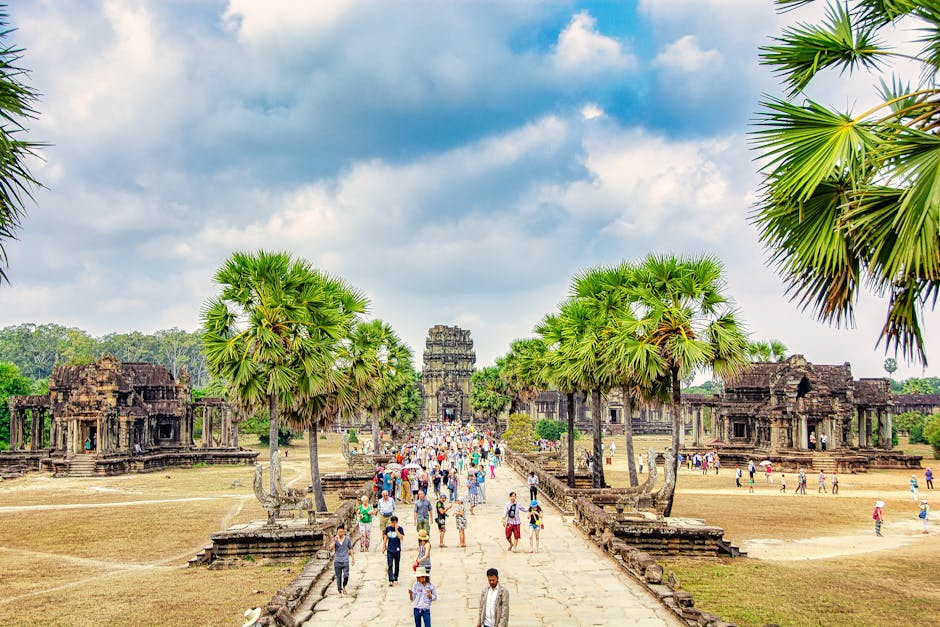
Siem Reap is a food lover’s paradise, offering a variety of local and international cuisine. Be sure to try these must-try dishes during your visit:
- AmokThis traditional Khmer dish features fish (or chicken) cooked in a rich coconut milk curry, flavored with lemongrass, kaffir lime leaves, and turmeric. It’s often served in a banana leaf, making it a feast for the eyes as well as the palate.
- Kuy TeavA popular breakfast dish, Kuy Teav is a noodle soup made with rice noodles, herbs, and either beef or pork. Vendors often serve it with a variety of toppings, allowing you to customize your bowl.
- Lok LakLok Lak is a stir-fried beef dish marinated in soy sauce and served with a side of rice and a tangy dipping sauce. The dish is often accompanied by fresh vegetables and a fried egg on top.
- Prahok KtisThis unique dish features fermented fish blended with coconut milk and spices, creating a savory dip served with fresh vegetables. It’s a true taste of Cambodian cuisine and a must-try for adventurous eaters.
- Street FoodFor an authentic experience, don’t miss out on Siem Reap’s street food scene. Sample skewers of grilled meat, fried insects, or fresh spring rolls from local vendors. The night market is a great place to explore various street food options.
Dining options range from local street food stalls to upscale restaurants, so you can easily find something that fits your taste and budget. For a unique experience, consider taking a cooking class to learn how to prepare traditional Khmer dishes yourself.