📌 Disclaimer
Prices, schedules, tour details, flight routes, visa requirements, and all other information on this page are based on data at the time of writing. Fares, availability, and policies may change. Please verify current details on the official website before booking.
Why Visit Rome ?#
Romeis often referred to as the “Eternal City,” a title that reflects its timeless beauty and rich history. With its stunning architecture, world-renowned art, and vibrant street life, Rome offers a unique blend of ancient and modern experiences that captivate travelers from around the globe. Walking through its cobblestone streets feels like stepping back in time, with each corner revealing a new treasure, from magnificent ruins to charming piazzas.
The city is a living museum, boasting iconic landmarks such as the Colosseum, the Vatican, and the Pantheon. However, what truly setsRomeapart is its ability to seamlessly integrate the past with the present. You can savor a traditional Roman meal in a centuries-old trattoria, sip coffee in a bustling square, or wander through contemporary art exhibitions—all within a stone’s throw of ancient history. The warmth of the locals, combined with the city’s vibrant culture, makes Rome an unforgettable destination for American travelers seeking both adventure and relaxation.
Best Time to Visit Rome#
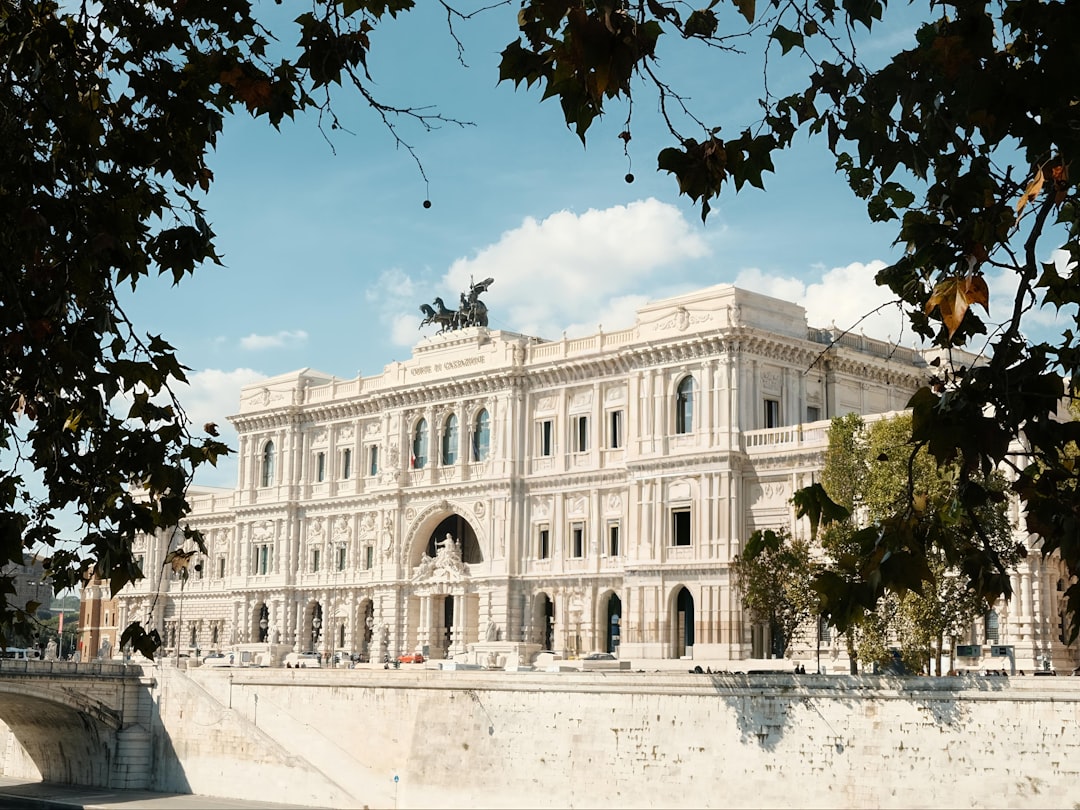
When planning your trip to Rome, timing is key. The city experiences four distinct seasons, each offering a unique atmosphere.
Spring (March to May): This is one of the best times to visit Rome. The weather is mild and pleasant, with temperatures ranging from the mid-50s to the low 70s°F. Spring also sees fewer crowds compared to the summer months, making it easier to explore popular attractions. Prices for flights and accommodations begin to rise as the season progresses, especially around Easter.
Summer (June to August): Summer in Rome can be hot, with temperatures often exceeding 85°F. This is peak tourist season, meaning attractions can be crowded and prices for accommodations and flights are at their highest. If you don’t mind the heat and the hustle and bustle, summer offers vibrant street life, outdoor events, and festivals.
Fall (September to November): Fall is another excellent time to visit, particularly in September and October when the weather remains warm but crowds begin to thin out. Temperatures range from the mid-60s to the low 80s°F. Prices start to drop as the season progresses, making it a more budget-friendly option. The fall also brings beautiful foliage to the parks and gardens.
Winter (December to February): Winters in Rome can be cool and damp, with temperatures averaging in the 40s°F. However, this is also the least crowded time of year, allowing for a more intimate experience at the city’s attractions. Prices are typically at their lowest during winter, making it an attractive option for budget-conscious travelers. The holiday season brings festive decorations and local markets, adding a unique charm to the city.
Where to Stay in Rome#
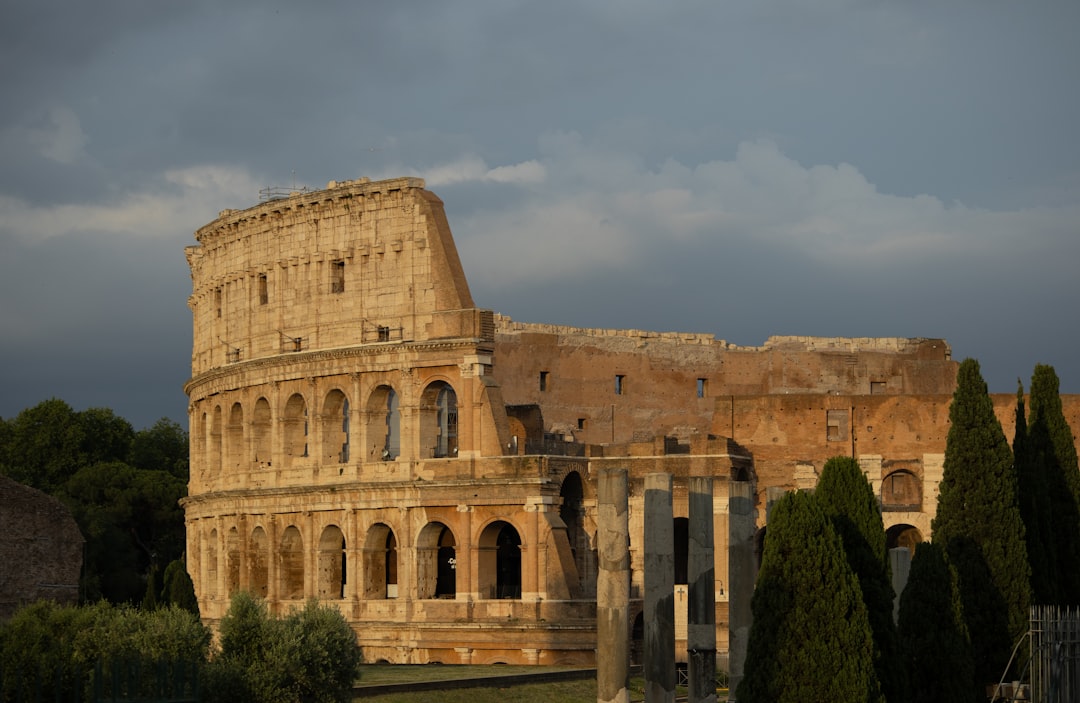
Choosing the right neighborhood is crucial for fully experiencing Rome. Here are some recommendations across different budget tiers:
Budget: TrastevereTrastevere is known for its bohemian vibe and narrow, winding streets. It offers a variety of budget hostels and guesthouses. Staying here allows you to immerse yourself in local culture, with plenty of affordable eateries and vibrant nightlife options.
Mid-Range: MontiMonti is a trendy neighborhood that sits between the Colosseum and the Roman Forum. It features a mix of boutique hotels and charming bed-and-breakfasts. Monti is known for its artisanal shops, cafes, and restaurants, providing a great balance between comfort and local flavor.
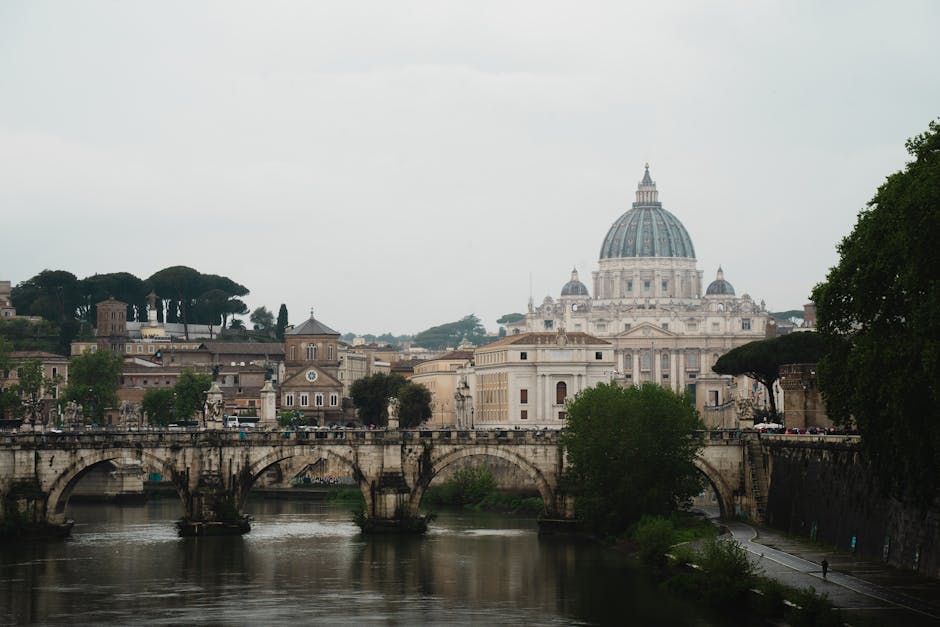
Luxury: Vatican CityFor those seeking a more upscale experience, the area around Vatican City offers luxurious hotels with stunning views and top-notch amenities. Staying here puts you within walking distance of iconic landmarks, including St. Peter’s Basilica and the Vatican Museums.
Hidden Gem: TestaccioTestaccio is a lesser-known neighborhood that offers an authentic Roman experience. Known for its food scene, this area is home to traditional markets and local eateries. Accommodations here tend to be more affordable, and you’ll enjoy a more laid-back atmosphere away from the tourist crowds.
Top Things to Do in Rome#
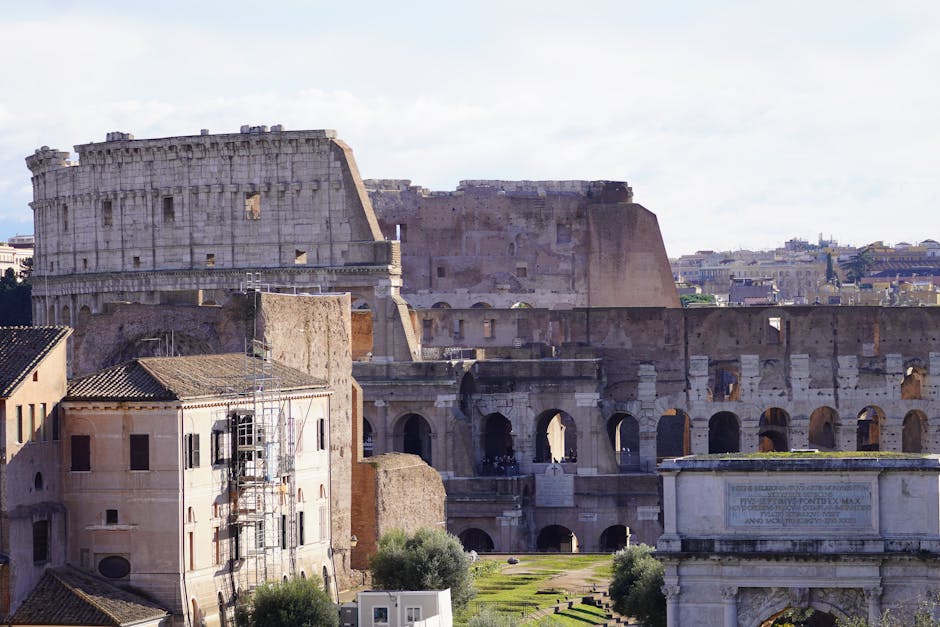
- Colosseum: No trip to Rome is complete without visiting the Colosseum. This ancient amphitheater is a marvel of engineering and a symbol of Rome’s imperial past. Consider booking a guided tour for a deeper understanding of its history.
- Vatican Museums and Sistine Chapel: Home to some of the world’s most renowned art, the Vatican Museums showcase works by Michelangelo, Raphael, and more. Don’t miss the Sistine Chapel, famous for its breathtaking ceiling.
- Trevi Fountain: Toss a coin into the Trevi Fountain to ensure your return to Rome. This stunning Baroque masterpiece is best visited early in the morning or late at night to avoid the crowds.
- Pantheon: This architectural wonder, dating back to 126 AD, is remarkably well-preserved. The oculus at its center creates a mystical atmosphere, especially on sunny days.
- Roman Forum: Stroll through the heart of ancient Rome where political, religious, and social life flourished. The ruins are extensive, so allow ample time to explore.
- Piazza Navona: Known for its beautiful fountains and vibrant atmosphere, Piazza Navona is the perfect spot to relax with a gelato and watch street performers.
- Trastevere: Wander the charming streets of Trastevere, filled with colorful buildings, artisanal shops, and lively squares. It’s a great place to experience the local culture.
- Borghese Gallery: Art lovers should not miss the Borghese Gallery, which houses a stunning collection of sculptures and paintings by masters like Caravaggio and Bernini.
- Campo de’ Fiori: Visit this lively market during the day for fresh produce, flowers, and local delicacies. In the evening, the square transforms into a bustling social hub.
- Appian Way: Explore the ancient Appian Way, one of the earliest and most important Roman roads. Rent a bike to fully appreciate the beautiful scenery and historical sites along the route.
Food and Dining Guide#
Italian cuisine is a highlight of any trip to Rome. Be sure to indulge in these local specialties:
- Cacio e Pepe: A simple yet delicious pasta dish made with Pecorino Romano cheese and black pepper. You can find it in many trattorias throughout the city.
- Carbonara: This classic Roman dish features spaghetti tossed with eggs, guanciale (cured pork cheek), and cheese. It’s a must-try for pasta enthusiasts.
- Supplì: These fried rice balls filled with mozzarella make for a perfect snack or appetizer. You can find them in pizzerias and street food stalls.
- Porchetta: A flavorful roast pork dish seasoned with herbs and spices, porchetta is often served in sandwiches and is a staple at local markets.
- Gelato: No visit to Rome is complete without indulging in gelato. Seek out artisanal gelaterias for a truly authentic experience.
When it comes to dining, you can opt for casual street food or sit-down meals at traditional restaurants. Street food is a great way to sample local flavors without breaking the bank. For a more formal dining experience, look for restaurants that feature seasonal ingredients and regional specialties.