📌 Disclaimer
Prices, schedules, tour details, flight routes, visa requirements, and all other information on this page are based on data at the time of writing. Fares, availability, and policies may change. Please verify current details on the official website before booking.
Why Visit Marrakech ?#
Marrakech, a vibrant city nestled at the foot of the Atlas Mountains, is a place where history, culture, and modernity intertwine beautifully. Known as the “Red City” for its distinctive terracotta buildings, Marrakech offers a sensory overload of sights, sounds, and smells that make it a must-visit destination for American travelers. From the bustling souks of the Medina to the serene gardens of the Majorelle, this city is a tapestry of experiences waiting to be unraveled.
What truly setsMarrakechapart is its rich cultural heritage. The city’s history is steeped in Berber, Arab, and French influences, resulting in a unique blend of architecture, cuisine, and traditions. The lively Djemaa el-Fna square comes alive at night with street performers, musicians, and food stalls, creating an atmosphere that is both enchanting and exhilarating. Whether you’re wandering through the narrow alleyways of the Medina or sipping mint tea in a rooftop café, Marrakech promises an adventure that will linger in your memory long after you leave.
Best Time to Visit Marrakech#
Marrakech experiences a semi-arid climate, which means it has hot summers and mild winters. The best time to visit is during the spring (March to May) and fall (September to November) months. During these seasons, temperatures are pleasantly warm, ranging from the mid-60s to mid-80s Fahrenheit, making it ideal for exploring the city’s many attractions.
Summer (June to August) can be scorching, with temperatures soaring above 100°F, which may deter some travelers. However, if you don’t mind the heat, you can find lower prices and fewer crowds during this time. Winter (December to February) sees cooler temperatures, especially at night, but it’s also a great time to experience Marrakech’s unique charm without the throngs of tourists. Just be prepared for the occasional rain shower.
Where to Stay in Marrakech#
When it comes to accommodation, Marrakech offers a variety of neighborhoods that cater to different budgets and preferences.
- Budget:The Medina is a fantastic area for budget travelers, with affordable guesthouses and hostels nestled within its maze-like streets. Staying here allows you to immerse yourself in the local culture and be close to major attractions.
- Mid-range:Gueliz, the modern district of Marrakech, is ideal for those seeking a blend of local charm and contemporary amenities. Here, you’ll find boutique hotels and riads that provide comfort without breaking the bank, along with trendy cafes and shops.
- Luxury:For a truly indulgent experience, consider staying in the Palmeraie area. This district is home to opulent resorts and luxury riads, offering stunning gardens, pools, and spa facilities, all while being just a short drive from the city center.
- Authentic Experience:If you’re looking for an authentic Moroccan experience, consider staying in a traditional riad within the Medina. These guesthouses often feature intricate tile work and lush courtyards, providing a serene retreat amidst the hustle and bustle of the city.
Top Things to Do in Marrakech#
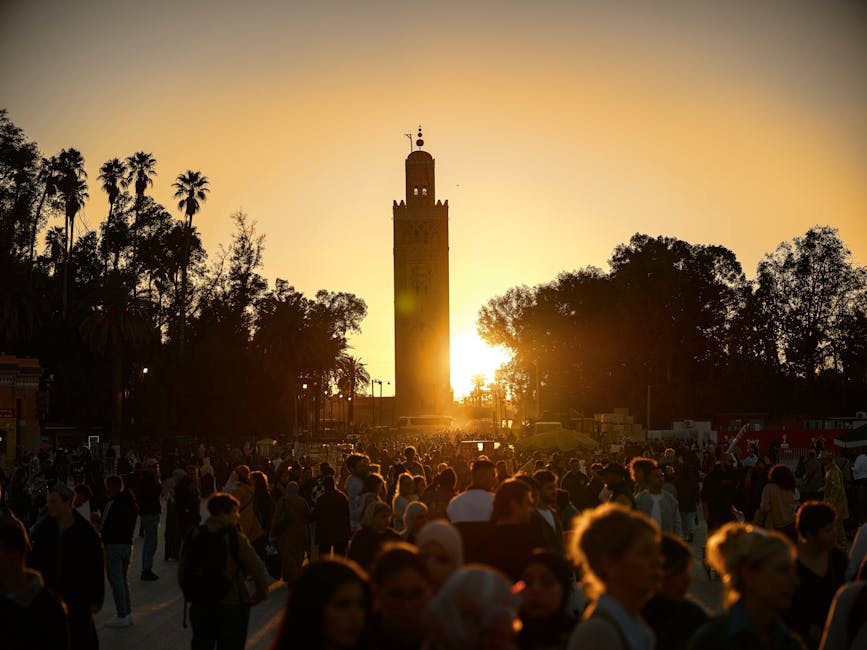
Jemaa el-Fna:This lively square is the heart of Marrakech, where you can watch snake charmers, storytellers, and musicians perform. At night, the square transforms into a bustling food market, offering a taste of local cuisine.
Koutoubia Mosque:The largest mosque in Marrakech, Koutoubia boasts a stunning minaret that towers over the city. While non-Muslims cannot enter, the mosque’s exterior and surrounding gardens are worth exploring.
Majorelle Garden:A serene oasis designed by French painter Jacques Majorelle, this garden features exotic plants, vibrant blue buildings, and a small museum dedicated to Berber culture.
Saadian Tombs:Dating back to the 16th century, these beautifully decorated tombs are the final resting place of Saadian sultans. The intricate mosaics and architecture make it a must-see historical site.
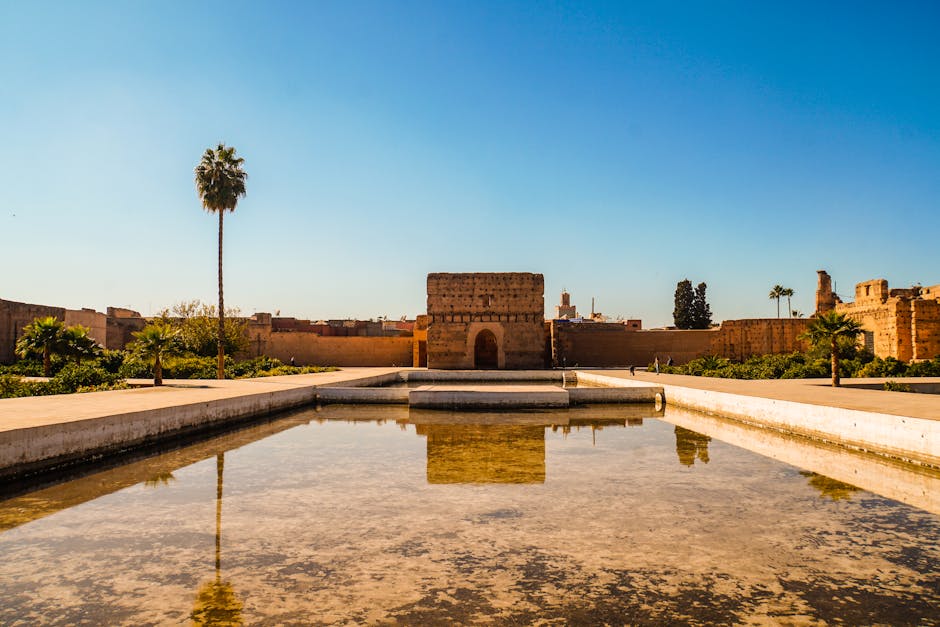
El Badi Palace:Once a magnificent palace, El Badi now stands in ruins but remains a fascinating site to explore. Its vast courtyards and gardens offer a glimpse into the opulence of the past.
Bahia Palace:This stunning palace showcases Moroccan architecture at its finest, with intricate tile work and lush gardens. It’s a great spot to learn about the history of the royal family.
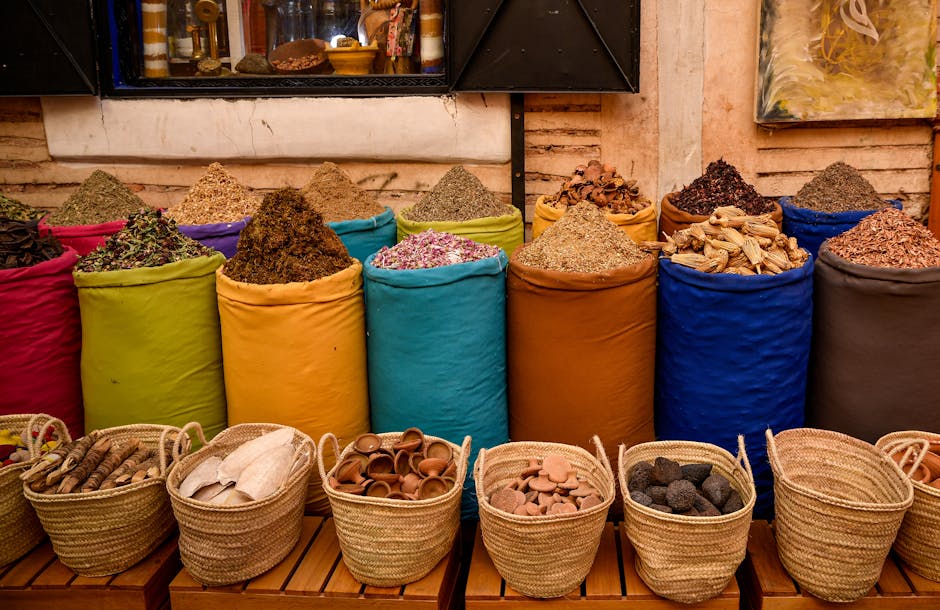
Souks of the Medina:Get lost in the vibrant souks, where you can shop for spices, textiles, and handmade crafts. Bargaining is part of the experience, so don’t hesitate to negotiate for the best price.
Palmeraie:Just outside the city, the Palmeraie is a vast palm oasis where you can take camel rides or enjoy quad biking through the desert landscape.
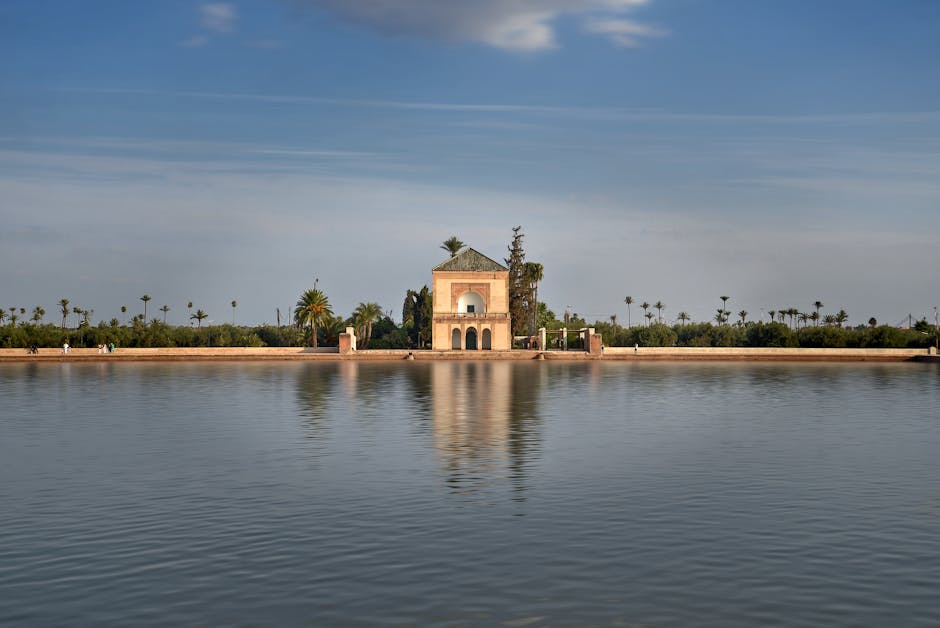
Menara Gardens:A peaceful escape from the city’s hustle, these gardens feature a large reflecting pool with stunning views of the Atlas Mountains, making it a perfect picnic spot.
Cooking Classes:Immerse yourself in Moroccan culture by taking a cooking class. Learn to prepare traditional dishes like tagine and couscous, and enjoy the delicious results.
Food and Dining Guide#
Marrakech is a food lover’s paradise, offering a wide array of flavors and culinary experiences. Local cuisine is heavily influenced by spices, fresh herbs, and traditional cooking techniques, making every meal a delightful experience.
Must-try dishes:
- Tagine:This slow-cooked stew is a staple of Moroccan cuisine, typically made with meat, vegetables, and a blend of spices. Each region has its own variation, so be sure to try a few.
- Couscous:Often served on Fridays, couscous is a fluffy grain dish typically accompanied by meat and vegetables, making it a hearty and satisfying meal.
- Harira:A traditional soup made with lentils, chickpeas, and tomatoes, harira is usually enjoyed during Ramadan but can be found year-round.
- Pastilla:A sweet and savory pie made with layers of flaky pastry, filled with spiced meat and topped with powdered sugar and cinnamon.
- Mint Tea:Known as the national drink, Moroccan mint tea is a refreshing blend of green tea, fresh mint, and sugar, often enjoyed throughout the day.
When it comes to dining, you can choose between street food stalls in Jemaa el-Fna for an authentic experience or dine at local restaurants for a more comfortable setting. Street food is generally safe to eat, but it’s always best to choose stalls with high turnover and fresh ingredients.