📌 Disclaimer
Prices, schedules, tour details, flight routes, visa requirements, and all other information on this page are based on data at the time of writing. Fares, availability, and policies may change. Please verify current details on the official website before booking.
Why Visit Maldives?#
As you step off the seaplane, the warm, salty breeze wraps around you, and the panoramic view of turquoise waters dotted with tiny islands takes your breath away. The Maldives is an archipelago of over 1,000 coral islands, each offering a unique slice of paradise. What makes this destination truly special is the seamless blend of stunning natural beauty and luxurious experiences. Whether you’re lounging on powdery white sands, diving among lively coral reefs, or enjoying a private dinner under the stars, every moment feels like a scene from a postcard.
The Maldives is not just about relaxation; it’s an opportunity to experience an environment that’s teeming with marine life and breathtaking landscapes. The underwater world is a wonderland for snorkelers and divers, with colorful fish and majestic manta rays gliding gracefully through the coral gardens. Beyond the beaches, the local culture, with its unique customs and traditions, invites exploration. This destination is where luxury meets nature, making it a perfect getaway for those seeking both adventure and tranquility.
Best Time to Visit Maldives#
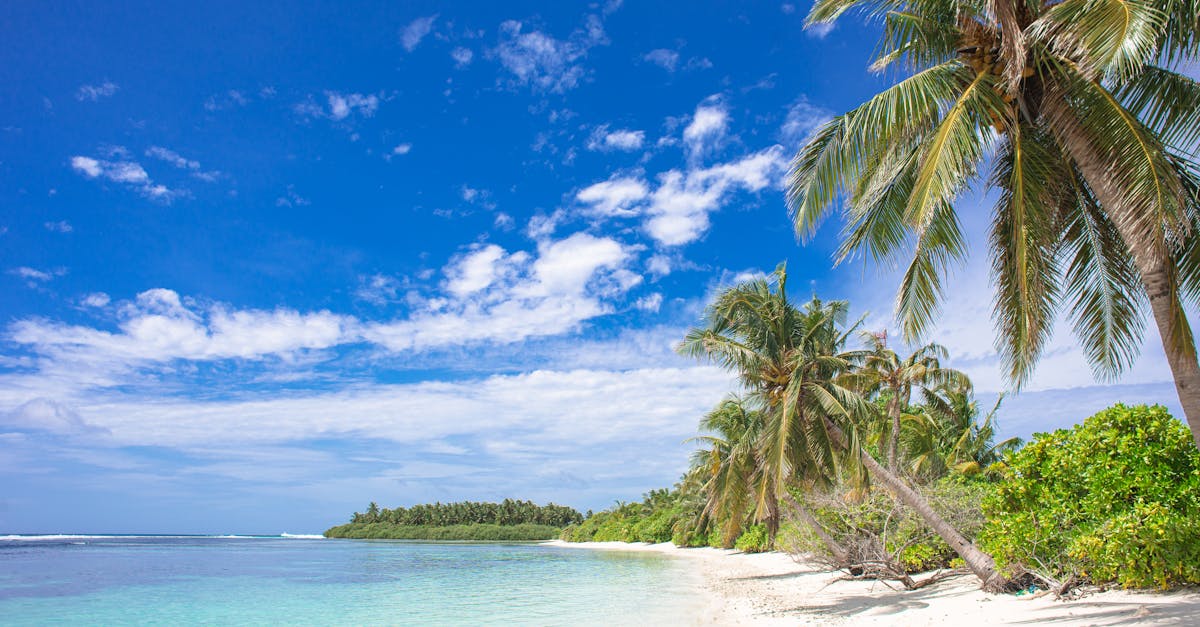
The Maldives experiences two main seasons: the dry season and the wet season. The dry season, from November to April, is characterized by clear skies, lower humidity, and calm seas. This is the peak tourist season, with December and January being particularly popular, so expect larger crowds and higher prices. If you’re looking for a more affordable experience, consider visiting during the shoulder months of November and April, when the weather is still pleasant but the crowds are thinner.
The wet season runs from May to October, bringing higher humidity and occasional rain showers. While this might deter some travelers, the off-peak months offer significant savings on accommodations and activities. Even during the wet season, rain often comes in short bursts, leaving plenty of sunshine for beach activities. If you’re flexible with your travel dates, targeting the shoulder months can provide a great balance between good weather and cost-effective travel.
Where to Stay in Maldives#
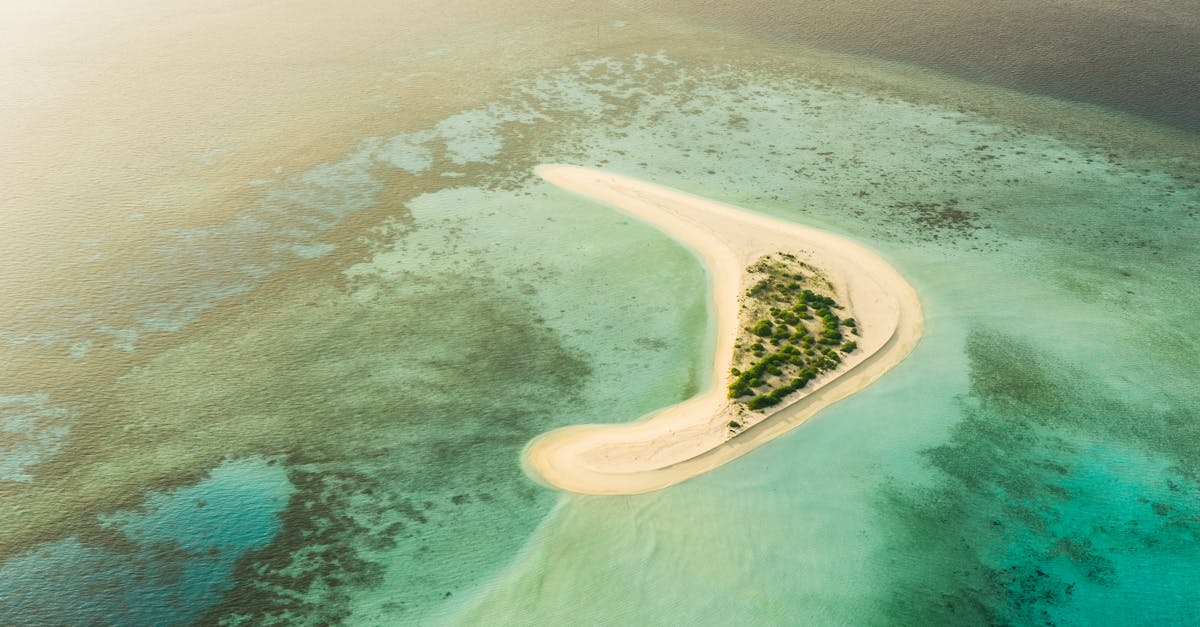
Finding the perfect place to stay in the Maldives can enhance your experience, and options abound across various budgets. For budget-conscious travelers, local guesthouses on inhabited islands offer a glimpse into Maldivian life and typically start around $30-50 per night. These guesthouses often provide warm hospitality, allowing you to connect with locals and explore nearby beaches without the resort price tag.
Mid-range options often include boutique hotels and resorts on private islands, where you can enjoy more amenities without breaking the bank. Prices generally range from $100 to $300 per night, featuring comfortable accommodations, dining options, and activities like snorkeling or excursions to nearby islands. These spots strike a perfect balance between comfort and local charm.
For those seeking a luxury experience, the Maldives is home to numerous high-end resorts that provide overwater bungalows and private villas, complete with stunning ocean views and personalized services. Prices can vary widely, starting from around $500 per night and soaring into the thousands, depending on the level of luxury and exclusivity. Staying in these resorts often includes access to fine dining, spa services, and unique experiences like private sunset cruises.
Top Things to Do in Maldives#
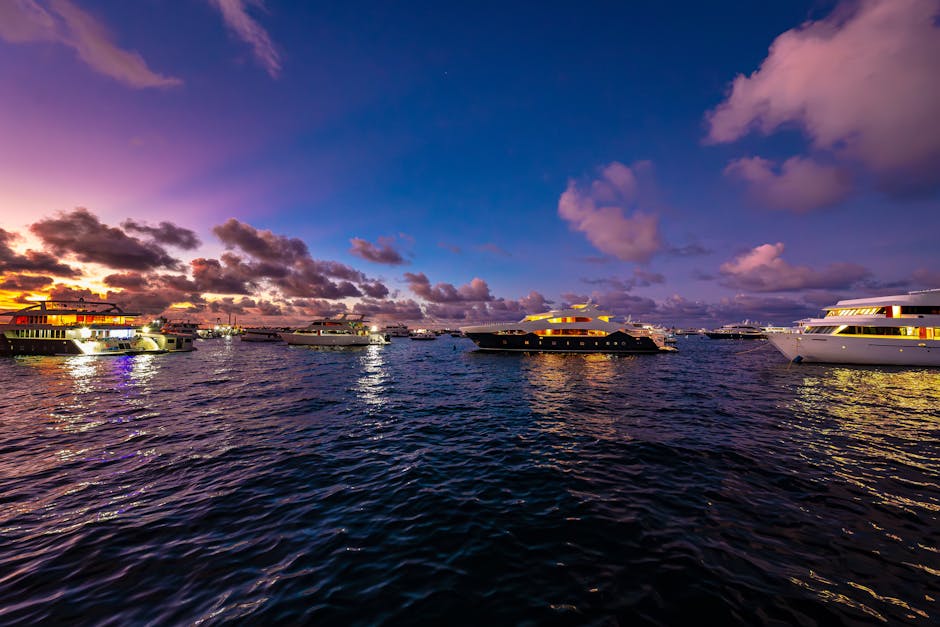
Exploring the Maldives goes beyond lounging on the beach.Snorkeling and divingare must-do activities, with lively coral reefs teeming with marine life just waiting to be discovered. Many resorts offer guided snorkeling trips or diving lessons, making it accessible for beginners and seasoned divers alike. The underwater visibility can be exceptional, allowing you to spot everything from colorful clownfish to majestic sea turtles.
Another fantastic experience is asunset dolphin cruise, where you can witness playful dolphins leaping through the waves as the sun dips below the horizon. This is one of the most picturesque moments you can capture in the Maldives. If you’re interested in fishing, consider atraditional Maldivian fishing trip, where you can learn local techniques and perhaps catch your dinner.
Exploring the capital city,Malé, provides a different perspective on the Maldives. While it may be smaller than other capital cities, it’s rich in history and culture. You can visit theMalé Fish Marketto experience the local fishing industry and try some fresh seafood. Don’t miss theHukuru Miskiy, the oldest mosque in the Maldives, which showcases beautiful coral stone architecture.
For a unique experience, head toMaafushi, one of the inhabited islands known for its lively local life and opportunities for water sports. Here, you can trykayakingorjet skiing, and enjoy the local café scene. If you’re willing to venture further, a day trip toHanifaru Bayduring the right season offers the chance to snorkel with manta rays and whale sharks, an experience that is truly remarkable.
Thelocal islandsalso offer a chance to engage with Maldivian culture. You can explore traditional crafts, visit local markets, and sample the local lifestyle. Participating in acultural eveningat your accommodation or a local center can provide insights into traditional music and dance.
Food and Dining Guide#
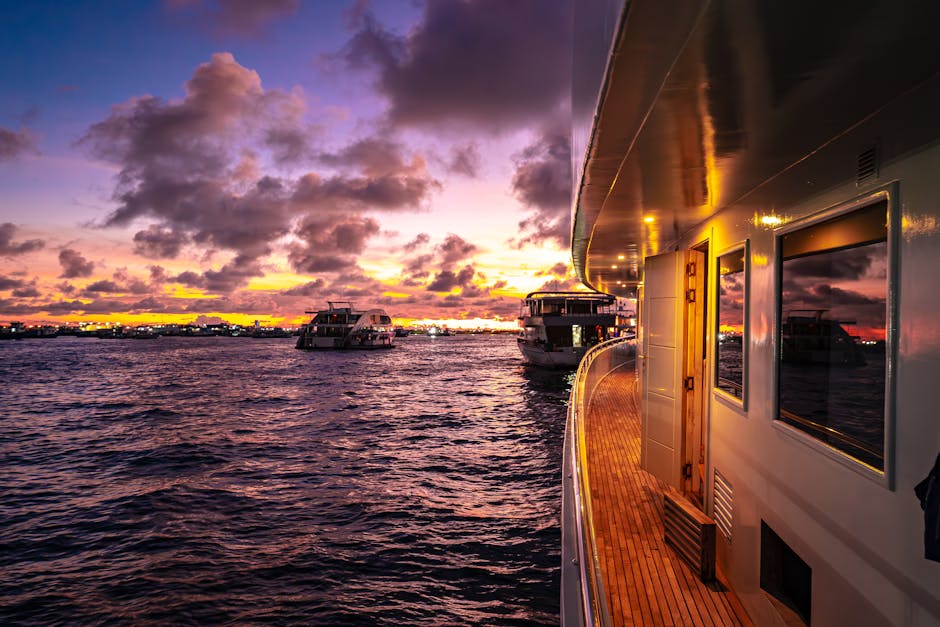
The Maldivian culinary scene is a delightful fusion of flavors, heavily influenced by its island geography and cultural exchanges. One of the must-try dishes ismas huni, a traditional breakfast made from tuna, coconut, onion, and chili, served with flatbread. This dish embodies the essence of local flavors and is often enjoyed with a cup of sweet tea.
Seafood lovers will appreciategarudhiya, a fish soup typically served with rice, lime, onions, and chilies. This dish provides a comforting taste of the ocean, highlighting the freshness of local catch. Don’t miss out onfihunu mas, grilled fish marinated in a blend of spices, which is a staple at many eateries. The flavors are simple yet satisfying, often accompanied by rice and a side of spicy sambal.
For those venturing into the street food scene, trybajiya, a savory pastry filled with fish or vegetables, perfect as a snack while exploring local markets. As you wander, you might also encounterkulhi boakibaa, a spicy fish cake that’s a favorite among locals. Dining at local cafés can offer a more authentic experience and is generally more budget-friendly compared to resort dining.
If you prefer a sit-down meal, many resorts and hotels feature international cuisine with a focus on fresh seafood. These establishments often provide themed nights, showcasing various culinary styles while still incorporating local ingredients. For a special treat, consider a beach barbecue dinner, where fresh catches are grilled to perfection under the stars.