📌 Disclaimer
Prices, schedules, tour details, flight routes, visa requirements, and all other information on this page are based on data at the time of writing. Fares, availability, and policies may change. Please verify current details on the official website before booking.
Why Visit Hoi An?#
Nestled along Vietnam ’s central coast, Hoi An is a picturesque town known for its well-preserved Ancient Town, a UNESCO World Heritage site. With its charming blend of Vietnamese, Chinese, and Japanese influences, Hoi An offers a unique glimpse into the country’s rich history and culture. Strolling through its narrow streets, you’ll be captivated by the colorful lanterns, historic architecture, and vibrant market scenes that make Hoi An a photographer’s paradise.
Beyond its stunning visuals, Hoi An is renowned for its culinary scene. The town is a culinary hotspot, where you can enjoy everything from street food to fine dining. The local markets are brimming with fresh produce and seafood, making it an excellent destination for food enthusiasts. Whether you’re looking to savor traditional Vietnamese dishes or take a cooking class, Hoi An has something to satisfy every palate.
Best Time to Visit Hoi An#
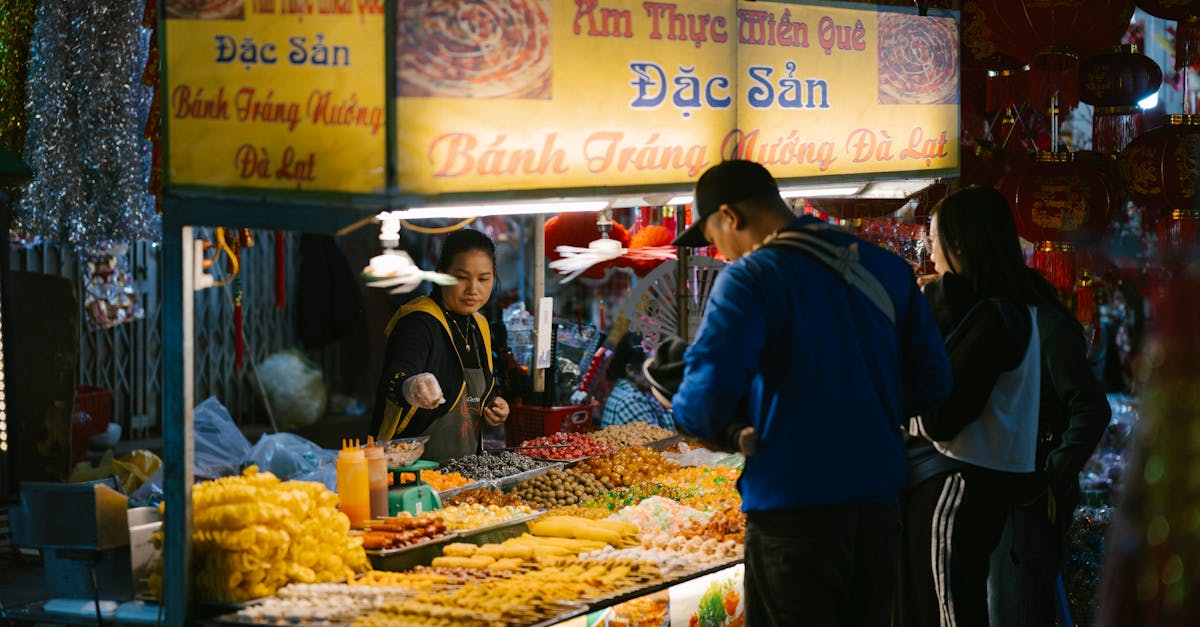
The best time to visit Hoi An is during the dry season, which runs from February to April. During these months, you can expect pleasant temperatures averaging between 70°F and 85°F, with minimal rainfall. Crowds are moderate as this is a popular time for tourists, but the town’s charm remains intact, allowing for a comfortable experience while exploring the sights.
From May to August, Hoi An experiences higher humidity and temperatures can soar to the upper 90s. This is considered the peak tourist season, so expect larger crowds and higher accommodation prices. If you’re looking to save some money, consider visiting in the shoulder months of September to November. While there’s a chance of rain, particularly in October, you’ll find fewer tourists and lower prices, allowing for a more authentic experience.
Where to Stay in Hoi An#
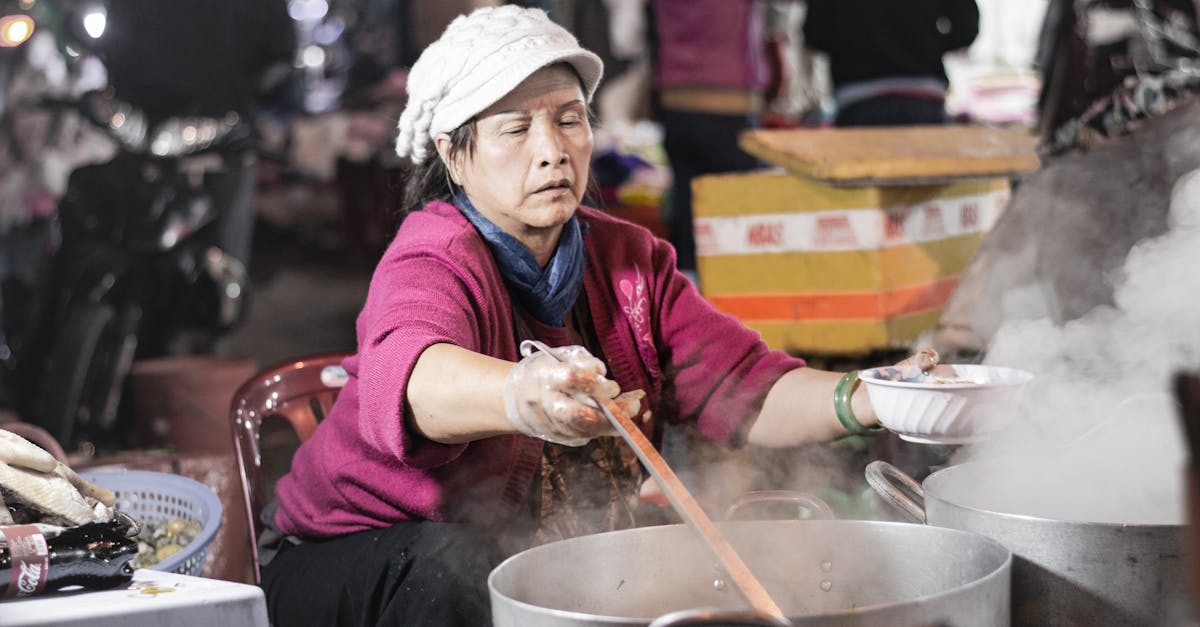
Budget: Riverside and Old Town#
For budget-conscious travelers, staying near the Riverside or within the Old Town is ideal. These areas offer affordable guesthouses and hostels, often with charming views and easy access to major attractions. Prices typically start around $30-50 per night.
Mid-Range: Cam Pho and An Bang Beach#
If you’re looking for a bit more comfort without breaking the bank, consider neighborhoods like Cam Pho or An Bang Beach. Here, you’ll find boutique hotels and guesthouses with amenities such as pools and breakfast included. Prices in this range generally fall between $50-100 per night.
Luxury: Cua Dai Beach and Tra Que Village#
For those seeking a more luxurious experience, Cua Dai Beach and Tra Que Village are perfect choices. These areas boast upscale resorts and villas with stunning views and top-notch services. Expect to pay upwards of $100 per night for a high-end stay, with many options offering spa services and gourmet dining.
Top Things to Do in Hoi An#
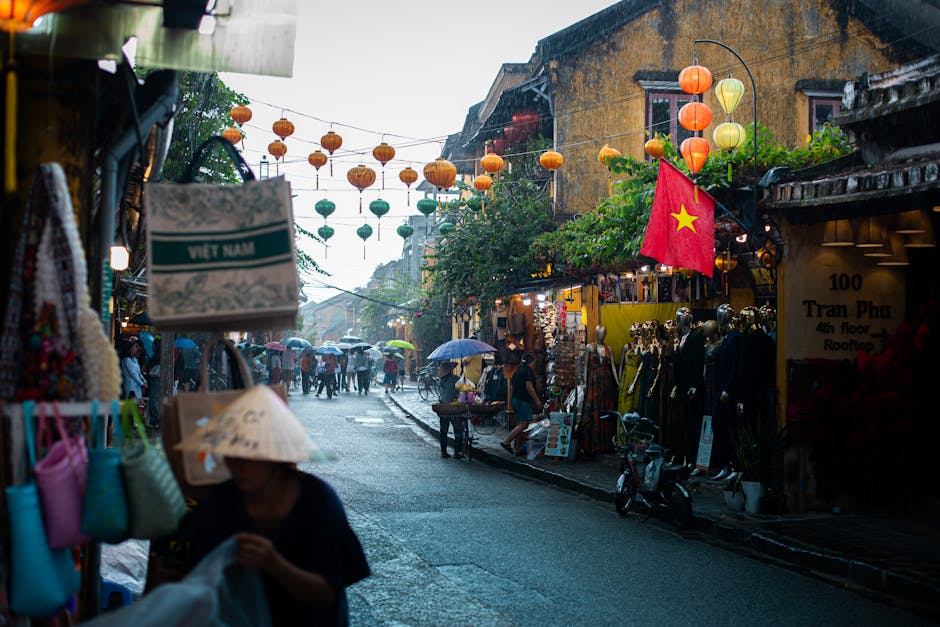
- Explore the Ancient Town: The heart of Hoi An, the Ancient Town is a maze of historic buildings, vibrant shops, and quaint cafes. Don’t miss the iconic Japanese Covered Bridge and the beautifully preserved merchant houses.
- Visit the Hoi An Night Market: As the sun sets, the Night Market comes alive with colorful stalls selling handicrafts, souvenirs, and delicious street food. It’s a great place to soak in the local atmosphere.
- Take a Cooking Class: Join a cooking class to learn how to prepare traditional Vietnamese dishes. Many classes include a market tour where you’ll pick fresh ingredients, followed by hands-on cooking in a local kitchen.
- Relax at An Bang Beach: Just a short bike ride from the Old Town, An Bang Beach offers a peaceful retreat where you can sunbathe, swim, or enjoy fresh seafood at beachside restaurants.
- Cycle Through the Countryside: Rent a bike and explore the scenic countryside surrounding Hoi An. The flat terrain makes it easy to ride past rice paddies, local farms, and charming villages.
- Visit the My Son Sanctuary: A UNESCO World Heritage site, My Son is a complex of Hindu temples set in a lush valley. It’s a bit of a drive from Hoi An, but well worth the visit for history buffs.
- Participate in the Lantern Festival: If your visit coincides with the full moon, don’t miss the Lantern Festival. The Old Town is beautifully illuminated with lanterns, and you can participate in traditional activities such as releasing paper lanterns into the river.
- Discover the Local Tailors: Hoi An is famous for its tailor shops. Get a custom-made outfit or suit crafted in just a few days. Be sure to bring pictures for reference to ensure your vision comes to life.
- Explore the Hoi An Museum: This small museum provides insight into the town’s history and culture. It’s a great stop to learn more about the influences that shaped Hoi An.
- Visit Tra Que Vegetable Village: Take a short trip to this village known for its organic vegetables. You can participate in farming activities and enjoy a meal prepared with fresh produce.
Food and Dining Guide#
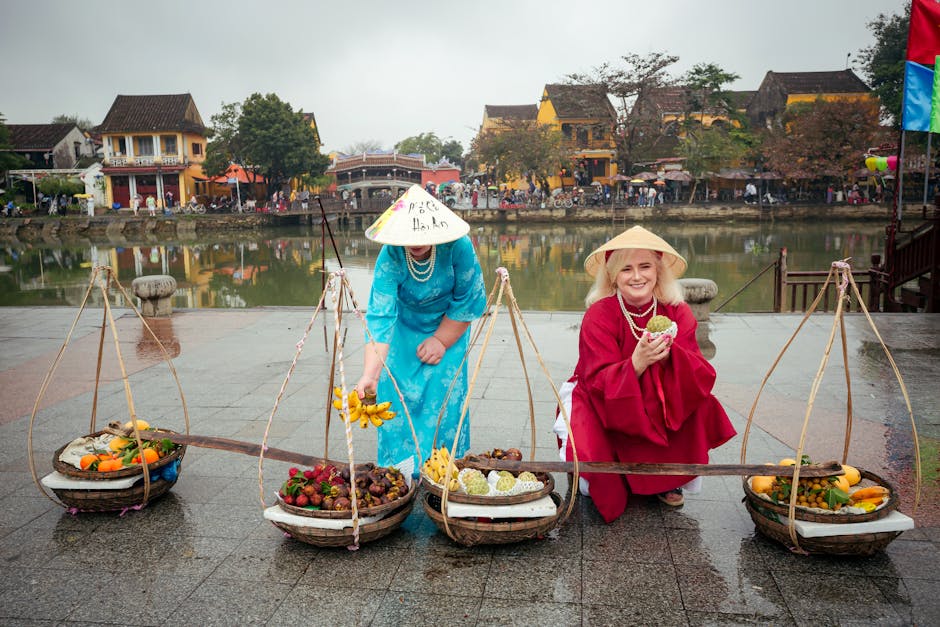
Hoi An’s culinary scene is a treat for the senses, with a wide array of flavors and dishes to try. Here are a few must-try dishes that you simply can’t miss:
- Cao Lau: This iconic noodle dish features thick rice noodles, tender pork, fresh herbs, and crunchy croutons. It’s a unique dish that can only be made with water from a specific local well.
- Banh Mi:Vietnam’s famous sandwich, filled with a variety of meats, pickled vegetables, and herbs, is a must-try. Hoi An has some of the best Banh Mi vendors in the country.
- White Rose Dumplings: These delicate shrimp dumplings are a local specialty, often served with a sweet and spicy dipping sauce.
- Mì Quảng: A regional noodle dish made with turmeric-infused rice noodles, often topped with pork, shrimp, and fresh herbs. It’s a hearty meal that’s perfect for lunch.
- Street Food vs. Restaurants: While you can find delicious food at local restaurants, don’t overlook the street food scene. Street vendors offer authentic flavors at budget-friendly prices, and it’s a great way to immerse yourself in local culture.